
Why Are Stool Tests Important for the Early Detection of Colorectal Cancer?

Colon cancer is one of the most common types of cancer, but if detected at an early stage, it is highly treatable. Research shows that regular colon cancer screening can save lives by finding signs of cancer before symptoms develop.Stool tests offer a simple, painless way to detect early signs of blood in your poo, DNA changes, and other markers that indicate problems in the digestive tract.

Collecting a stool sample at home is convenient and discreet. You simply use the test kit provided, collect a small amount of stool with the included disposable spoon, place it into the clean container, close the lid tightly, and return it to the lab for analysis. There is no need for a doctor's appointment. Modern stool tests can now be easily ordered online and completed from the comfort of your bathroom.

For most people, a screening test is the first step in colon cancer screening. If stool test results show anything unusual, your doctor will discuss further tests such as a colonoscopy to examine the entire colon.

Hand hält zwei verschiedene Darmkrebs Tests zum Vergleich

What Types of Colon Cancer Tests Are Available?

There are essentially three types of stool tests for the screening and early detection of colon cancer and bowel cancer:

  • Immunological stool tests (FIT) – also called the fecal immunochemical test
  • Guaiac-based stool tests (FOBT) – the older fecal occult blood test
  • Tumour DNA stool testing (ColoAlert) – an innovative cancer screening test that analyses both blood and genetic markers

Each stool test has specific characteristics, advantages, and limitations – and is suitable depending on your personal risk profile and life situation. Below, we compare all three methods so you can choose the right bowel cancer screening test for you.

The Guaiac-Based Test (FOBT) – The Outdated Method
The FOBT – a type of fecal occult blood test – was the standard screening test for a long time before the immunochemical test (FIT) replaced it. This occult blood test reacts to the iron component of haemoglobin in red blood cells. However, this also means it can detect animal blood or iron-containing components of food, which can lead to a false positive result.

The FOBT requires a special diet before the test to avoid interference from red blood cells in food. Today, it is rarely recommended as a colon cancer screening test because of its lower accuracy and higher rate of false results. The FOBT is hardly ever used in modern colon cancer screening or established screening programmes.

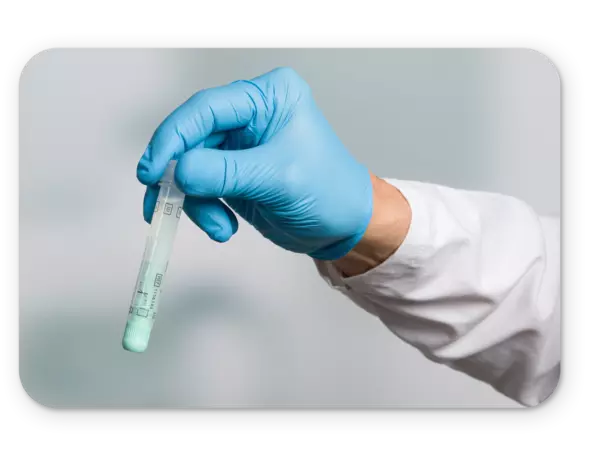
Ein immunologischer Stuhltest wird von einer Hand gehalten

The Immunological Stool Test (FIT) – The Conventional Screening Test for Hidden Blood

The FIT test (faecal immunochemical test or fecal immunochemical test) is the most commonly recommended stool test for colon cancer screening. This screening test checks for hidden blood in stool, meaning blood in your poo that you can’t see. Compared with the older FOBT, FIT is less affected by food and often provides more reliable results.

FIT is widely used in national screening programme systems across the UK, Germany, and many other countries. At screening age, you may receive a test kit, collect a small stool sample with the provided spoon, and return it to the lab.

A key limitation is that FIT only detects blood, which often appears later. As a result, the immunochemical fecal occult blood test can miss some people in the early stages, which can contribute to later diagnoses and lower chances of cure. Hidden blood can also come from other causes like haemorrhoids or inflammation, so an abnormal result usually leads to further tests such as a colonoscopy.

Tumor DNA stool tests – an innovative alternative for cancer diagnostics

Tumor DNA stool tests like ColoAlert go beyond detecting blood – they specifically look for genetic changes (DNA changes) in stool that indicate colon cancer, bowel cancer, or precursor polyps. These cancer screening tests are considered particularly innovative and offer higher sensitivity and improved early detection.

To perform the test, you collect a stool sample at home using the included test kit. The sample is sent to a certified lab where it is analysed for both blood markers and tumour DNA. This dual approach means the stool test can detect signs of cancer that a standard FIT test would miss entirely.

Tumour DNA stool tests are not yet part of the standard screening programmes offered by statutory health insurance companies. However, many private health insurance providers already reimburse this screening test. It may also be worthwhile to check with your health insurance provider, as policies are evolving.

Comparison of Methods: Which Stool Test Is the Best?

Test Type Accuracy Application Key Feature Advantages Disadvantages
FIT High Easy at home (self-test) Standard test in screening programmes Fast, reliable, no preparation required, covered by health insurance Only detects blood, not DNA changes
FOBT Medium Special diet required Outdated method Cost-effective, long established Less reliable, prone to interference, diet required
Tumour Stool DNA Test Very high Easy at home (self-test) Improved early detection Detects DNA changes, highly sensitive, innovative Not widely reimbursed

Every diagnostic procedure can produce false-positive and false-negative test results. If in doubt, consult your doctor and always have any positive result clarified with further tests.

Which Stool Test Is Best for Me?

Which stool test is best for you depends on your screening needs and risk profile.

The FIT is a reliable standard screening test and is often covered by statutory health insurance from screening age. It mainly detects blood in your poo, which means it tends to pick up later stage disease. If your result is normal, many screening programme schedules invite you again in 1 to 2 years.

Tumour DNA stool tests analyse genetic changes in addition to blood and can support earlier detection of colon cancer, sometimes even identifying small polyps before they become malignant.

If you’re unsure, speak with your doctor about which cancer screening test fits your situation. And if you want a convenient at home option, you can choose a test kit in our shop and start your stool test from home.

Frequently Asked Questions

How Reliable Are Stool Tests Really?

How reliable stool tests are depends on the test type. Classic options like the FIT (faecal immunochemical test) can detect roughly 60–70% of colorectal cancer cases.³ Tumour DNA stool tests also analyse genetic changes in stool alongside blood and can reach up to 90% sensitivity in some studies.⁴ No screening test is perfect, but testing regularly can significantly reduce the risk of a late stage diagnosis.

Can a Stool Test Replace a Colonoscopy?

A stool test can’t fully replace colonoscopy in colon cancer screening, but it is an effective and accessible screening test for regular bowel screening. Modern tumor DNA stool tests can improve early detection for some people and may be a useful intermediate step, especially with increased risk.

Still, colonoscopy remains the only method that can examine the entire colon and remove small polyps in the same procedure. If you get a positive result from a stool test, your doctor will usually recommend further tests, most often a colonoscopy, to confirm the finding.

How Do You Properly Prepare For a Stool Test?

The tumour DNA stool test is particularly user-friendly: no diet, no restrictions and it can be performed easily and discreetly at home. The FIT is also straightforward to use: simply collect a stool sample during a normal bowel movement, place it in the plastic container, and send it to the lab. Only the outdated FOBT requires a special diet before the test; otherwise, it produces more false-positive results.

What to Do if the Stool Test Is Abnormal?

If you get a positive result from a FIT test or a tumour DNA stool test, you should arrange a colonoscopy promptly as part of colon cancer screening. This follow-up step helps confirm what’s going on and checks for polyps or other abnormal findings in the colon.

Important: an abnormal result does not automatically mean cancer, but it should be taken seriously. Your doctor will explain the next steps and organise any further tests needed.

About the Author

Dr. med. Annette Buhlmann

Specialist in laboratory diagnostics

With over 20 years of experience in managing medical diagnostic laboratories, Dr. Annette Buhlmann brings a wealth of knowledge in human genetics, molecular genetics and general medicine.