
At-Home Colon Cancer Test Kit – Stool Tests for Early Detection
Take control of your bowel health with a reliable home stool test kit for the early detection of colon cancer.
Colon cancer is common, but when found early it is often highly treatable. Our at-home colon cancer screening kits let you collect a small stool sample at home, with clear instructions and no clinic visit. Your sample is analysed by our diagnostic lab, and your results are delivered securely within a few business days.
Choose a standard screening test or an advanced tumour DNA option for a simple, discreet way to detect bowel cancer early.
-
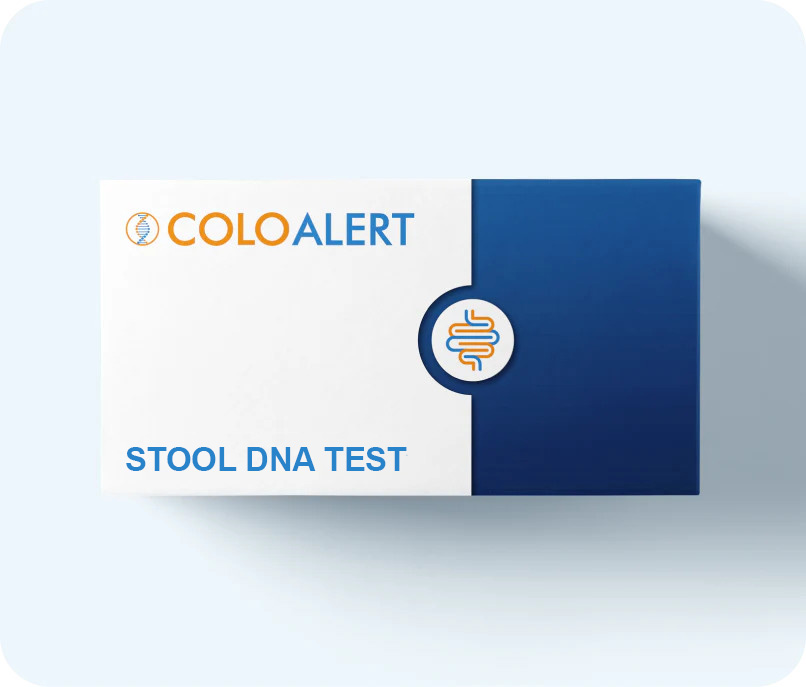
ColoAlert Stool Test
About the productA modern home stool test kit for colon cancer screening that detects both hidden blood and tumour DNA. Because colon polyps and colon cancer can develop from genetic changes, this test can help identify more affected individuals in early stages, sometimes before symptoms appear.
Biomarkers investigated:
Blood in stool, mutations (KRAS, BRAF), total amount of human DNA (hDNA)
Recognition rate:
approximately 85%Price: €257.98
-
FIT (faecal immunochemical test)
About the productA standard colon cancer screening test that checks for hidden blood in stool. Because polyps and colon cancer often do not bleed in the early stages, the detection rate is more limited. However, regular screening can help reduce risk by spotting warning signs earlier. The FIT kit is a cost effective home stool test kit that is also used in national screening programmes.
Biomarkers investigated:
Blood in stool
Recognition rate:
approximately 65%Price: €44.89
Frequently Asked Questions
What Is the Error Rate of Stool Tests?
Stool tests typically have a detection rate of between 60% and 90%. However, the specific markers analysed by the stool test make a significant difference. Standard colon cancer screening tests like the FIT (faecal immunochemical test) detect approximately 65% of cases, whereas tumour DNA tests like ColoAlert detect around 85%. It is also important to consider the detection rate at an early stage specifically. Tumour DNA tests are significantly more sensitive in these early stages, which means a better chance of successful treatment.
What Are the Differences Between Stool Tests?
The FIT test examines stool samples for occult (hidden) blood. This makes it less expensive but less sensitive. ColoAlert is an innovative DNA-based test that, in addition to detecting blood in stool, also identifies genetic alterations typical of colon cancer and polyps. This offers greater accuracy and improved early detection. You can find more information in our stool test comparison.
When Will I Receive My Results?
After your sample arrives at our laboratory, you will typically receive your test results within 5–7 business days. Our certified lab will analyse your sample and securely send you your results. The date of receipt depends on postal delivery times.
How Do I Prepare for the Stool Test?
No special preparation is necessary for either test. You can eat and drink as usual. Sample collection is straightforward and can be done at home following the enclosed instructions. Simply use the test kit provided to collect a small amount of poo and return it by post.
What Happens if the Test Is Positive?
A positive test result does not automatically mean you have colon cancer. However, we recommend that you speak with your doctor if you receive a positive result. Further tests, such as a colonoscopy, will usually be performed. These examinations are necessary to determine the exact cause and to detect any potential issues early. Many patients who receive a positive result are found to have non-cancerous bowel conditions such as polyps, haemorrhoids, or inflammation rather than cancer.
At What Age Is a Stool Test Recommended?
Colon cancer screening is generally recommended from age 50, though some screening programmes begin invitations from age 45 or 56 depending on the country. If you have a family history of colon cancer or other risk factors, your doctor may recommend starting screening at a younger age. Regardless of official screening age guidelines, anyone experiencing symptoms of colon cancer should seek a test promptly, whatever their age.