

How Dangerous Is Colon Cancer?

Why Is Preventative Care So Important?
Colon cancer is one of the most common cancers in Europe – in both men and women. The insidious thing about it is that colon cancer usually develops slowly and often goes undetected in its early stages. This is precisely where colon cancer screening comes in.
Colon cancer can develop slowly and often causes no obvious symptoms at first. That’s why cancer screening is aimed at people who feel well: a screening test can find early-stage cancer or precancerous changes before they become a bigger problem.
A key benefit of colonoscopy is that it can be both a diagnostic and preventive procedure: if colon polyps are found, they can often be removed immediately, which can lower the future risk of colon cancer
On a wider level, a colon cancer screening programme helps reduce the burden on individuals and health systems by preventing advanced disease, which usually requires more intensive treatment. That’s why many countries run a structured screening programme, send invitations to eligible age groups, and provide a screening kit or test kit for a home-based bowel cancer screening test.

When Should You Start Getting Screened For Colon Cancer?
Many people ask, “When should I start colon cancer screening?” The best answer depends on your age, your personal risk (for example, family history), and the rules of your local colon cancer screening programme. Across Europe, most colon cancer screening programmes begin around midlife and often start with a stool-based screening test (such as a faecal immunochemical test), with colonoscopy offered at specific ages or after a positive stool test.
Important: People with a family history of colon cancer – that is, if close relatives such as parents or siblings have had the disease – should begin colon cancer screening much earlier. In these cases, screening from the age of 35 or 40, or even earlier, is often advisable.

Options For Colon Cancer Screening
Modern cancer screening offers several colon cancer screening options. The best choice depends on age, risk profile, preferences, and local access within a colorectal cancer screening programme. Common screening test options include:
- Immunological stool test (FIT):
This colon cancer screening test looks for hidden blood in stool samples. Hidden blood can be a sign of colon cancer or other conditions. Many programmes send a test kit or screening kit that requires only a small amount of sample. - Stool DNA Tests (ColoAlert):
These tests combine hidden blood detection with DNA changes that may be linked to colon cancer or advanced polyps. They may be offered in some settings as an additional screening test option. If results are positive, a follow-up colonoscopy is usually recommended. - Colonoscopy (bowel examination):
This is the most comprehensive test for colon cancer screening because it examines the entire colon with a flexible tube and allows removal of polyps during the same procedure. It can detect colon or rectal cancer and treat precancerous findings immediately. - Virtual colonoscopy (CT colonoscopy / CT colonography):
This imaging approach uses a ct scan to view the large bowel. It can be an option for people who cannot have standard colonoscopy. If abnormalities are found, a standard colonoscopy is still needed for treatment or biopsy. - Sigmoidoscopy:
This examines the lower part of the bowel, rather than the entire colon. It may be used in some screening programme designs, depending on local practice.
The choice of screening test should be made with a doctor, especially if you have increased risk factors or symptoms.
Preventive Colonoscopy – Procedure And Contact Points
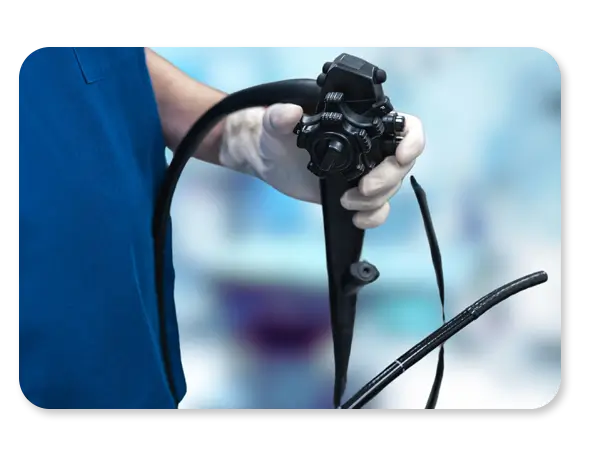
Colonoscopy is often described as the most effective colon cancer screening method because it can both detect colon cancer and prevent cancer by removing polyps. It allows a detailed view of the entire colon using a flexible tube, and suspicious tissue can be sampled.
Process:
- Preparation:
Bowel cleansing starts about a day before the test. Many people are advised to follow a low-fibre diet in advance and take laxatives to clear the bowel. - Examination:
The procedure often takes around 20–30 minutes. Some people require sedation, while others do not. Sedation practices vary, and your doctor can explain options. - Aftercare:
After a short observation period, most people go home the same day. If sedation is used, you usually need someone to accompany you.
Contact points:
- Gastroenterology specialist practices
- Hospital outpatient clinics
- Prevention centres
Coverage and access depend on country and insurer, but many colon cancer screening programmes provide colonoscopy as part of cancer screening when age criteria are met or when a colorectal cancer screening test is positive.
What Alternatives Are There To Colonoscopy?
-

Stool Tests (FIT/ColoAlert)
Stool tests are a non invasive screening option that can be done at home. They detect hidden blood or DNA changes linked to colon cancer. A positive result requires a follow-up colonoscopy.
-

CT Colonoscopy (Virtual Colonoscopy)
CT colonoscopy uses a CT scan to examine the colon. It is quick and does not require sedation, but involves radiation. If abnormalities are found, a standard colonoscopy is needed.
-

Blood-Based Tests
Blood tests look for biomarkers linked to colon cancer. They are convenient but not yet a standard screening method and are usually used as a supplement.
What Are The Costs For Colon Cancer Screening?

Is Colon Cancer Screening Advisable From The Age Of 35?
For some people, yes. While many screening programmes start later, colon cancer screening may be recommended earlier for those at increased risk, such as people with a strong family history, inflammatory bowel disease, or previous polyps. In these cases, a doctor may advise earlier screening and arrange a colonoscopy or other tests based on your history.
There is also growing awareness of colon cancer in younger adults. This does not mean most younger people need colonoscopy, but it does reinforce two points. Take symptoms seriously at any age and discuss risk factors with a doctor so your screening plan matches your real risk. For younger people in particular, in addition to colonoscopy, stool tests for occult blood and stool DNA tests can also be useful because they are low threshold and easy to access.

How Important Is Screening For Women And Men?
Colon cancer screening matters for women and men. Colon cancer can affect any sex, and cancer screening helps reduce late diagnosis across the whole population.
The best approach is to talk with a doctor about your risk factors and choose a screening test you are most likely to complete, then repeat it at the recommended interval within your colon cancer screening programme.
Reducing The Risk Of Colon Cancer: Tips For A Healthy Lifestyle