


What are Colon Polyps?
Colon polyps are small growths on the lining of the colon or rectum that protrude into the intestinal lumen. The colon – also known as the large intestine – is the final section of the digestive tract, and polyps can form anywhere along it, including the sigmoid or transverse colon. Most of these growths are harmless and cause no symptoms. However, some polyps, especially adenomatous polyps and certain sessile serrated polyps, can turn into colorectal cancer over the years if they are not detected and removed.
This is precisely why it is so important to detect colon polyps early and remove polyps if necessary. Colonic polyps are not uncommon – between 10 and 30% of people develop colon polyps at some point in their lives. The likelihood of developing polyps increases with age, which is why regular colorectal cancer screening is recommended from age 50.
Definition and Types of Polyps in the Intestine
Why Do Colon Polyps Develop?
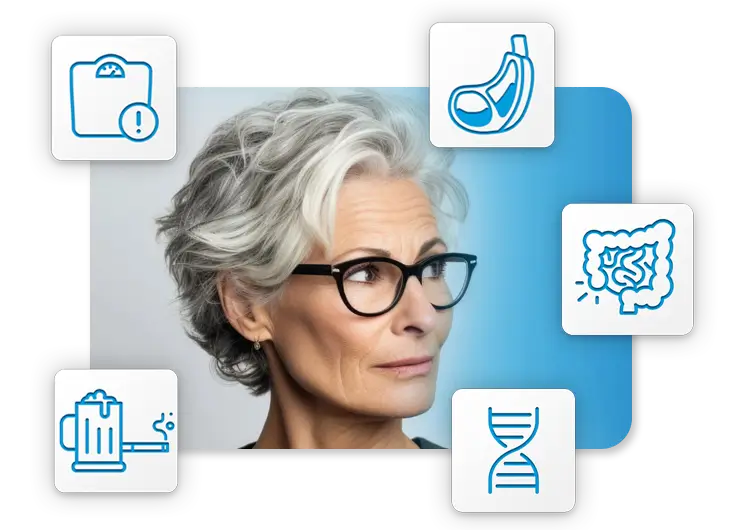
Colon polyps develop due to genetic, lifestyle, and medical factors. A family history of colon polyps or colorectal cancer significantly increases risk, especially in people with inherited conditions such as Lynch syndrome or familial adenomatous polyposis (FAP), which can cause polyps to form earlier.
Lifestyle choices also influence the development of colon polyps. A low-fibre diet, high intake of red and processed meat, smoking, excessive alcohol consumption, obesity, and lack of exercise all increase risk. In contrast, a fibre-rich diet with fruits and vegetables may help reduce the likelihood of colon polyps.
Chronic inflammation from inflammatory bowel disease, including Crohn’s disease and ulcerative colitis, can also promote the growth of colon polyps. In addition, age is a major factor, as colon polyps become more common after age 50. Regular screening helps detect and remove colon polyps early, reducing the risk of complications.

Do Colon Polyps Cause Symptoms?
Colon polyps symptoms are often absent, and most colon polyps cause no discomfort for years. Symptoms usually appear only when polyps grow large or begin to bleed.
Blood in the stool can be a warning sign. It may appear bright red, dark, or be detected only through lab tests. Ongoing bleeding from colon polyps can lead to iron deficiency anaemia, causing fatigue, weakness, and pale skin.
Some people may notice changes in bowel habits, such as persistent diarrhoea or constipation. Larger colon polyps can occasionally cause abdominal pain, bloating, or unexplained weight loss. However, these symptoms do not always indicate cancer.
Because colon polyps rarely cause symptoms, regular screening is the most reliable way to detect and remove colon polyps early.

Are Colon Polyps Dangerous?
Not every polyp turns into cancer, but some have a higher risk. Neoplastic polyps, including adenomatous polyps, sessile serrated polyps, and traditional serrated adenomas, are pre-cancerous polyps because they can turn into cancer if not removed.
Risk is higher with polyps larger than 1 cm, villous features such as villous adenomas or tubulovillous adenomas, and having more than three polyps. Having many polyps, especially in familial adenomatous polyposis or serrated polyposis syndrome, greatly increases colorectal cancer risk.
Non-neoplastic polyps, such as hyperplastic polyps, inflammatory polyps, and most juvenile polyps, usually do not turn into cancer, but they may still signal an underlying condition. Since everyone has a higher probability of developing colorectal polyps with increasing age, taking advantage of colorectal cancer screening programs is crucial for protecting one's health.
Diagnosis of Colon Polyps
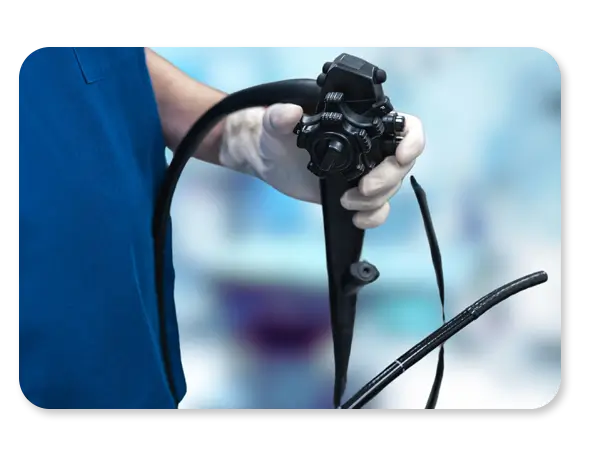
Colon polyps are usually diagnosed with an endoscopic examination, most often colonoscopy. This lets the doctor inspect the entire colon lining and find polyps, including flat polyps and sessile serrated lesions. During the same procedure, polyps can often be removed by polypectomy.
Next steps depend on how many polyps are found, their size, and their type. If there are more than three polyps or polyps larger than 1 cm, doctors usually recommend closer follow up in a colonoscopy surveillance programme.
Sometimes other tests are used, such as CT, MRI, or capsule endoscopy. Doctors also take a medical history, do a rectal exam, and ask about family history and other risk factors.
Stool tests that check occult blood and genetic alterations, such as the ColoAlert stool test, can also provide clues. They look for hidden blood and DNA changes that may point to neoplastic polyps or early stage colorectal cancer. Because risk rises with age, regular screening with colonoscopy or stool tests is commonly recommended from around age 50, depending on local guidance.
When Is the Removal of Intestinal Polyps Necessary?
If polyps are found during colonoscopy, next steps depend on their type, size, and number. Small polyps are often removed immediately during the exam, usually as an outpatient procedure. This is common for small sessile serrated polyps, hyperplastic polyps in the proximal colon, and small tubular adenomas.
Larger polyps or those with abnormal cells may need specialist techniques, further testing, or surgical removal, especially when polyps larger than 2 cm are present or when location makes removal difficult. In rare cases, such as familial adenomatous polyposis (FAP) with many polyps, surgeons may recommend partial or complete colon removal.
Removed tissue is examined to confirm the polyp type and whether pre-cancerous changes are present. Based on these results, your doctor sets the surveillance plan and the timing of your next colonoscopy surveillance.
Disease Progression and Prognosis of Colon Polyps

Colon Cancer Screening: How Can Polyps Be Detected Early to Prevent Colon Cancer?
Because colon polyps can stay symptom free for years, regular checkups are the best protection. Many experts recommend a colonoscopy from age 50, and earlier if you have a family history or other risk factors. The combination of a healthy diet, a balanced lifestyle, exercise, and targeted screening can significantly reduce the risk of developing colorectal cancer. Paying attention to your body's signals and taking advantage of available medical services can make a crucial contribution to your own health.
If you want a low threshold first step, tumor DNA stool tests can be a useful option. They can detect hidden blood and genetic changes in intestinal cells, often at a very early stage.
Colon cancer prevention - How can colon polyps and colon cancer be prevented?