

Non-Invasive Methods - What Alternatives Are There?
Research has made major progress in recent years, and there are now several options to check for colorectal cancer without a traditional colonoscopy. The most common methods include:
- Blood-based tests (for certain risk assessments and emerging screening approaches)
- Stool-based tests (e.g. the fecal immunochemical test (FIT))
- Stool DNA tests (e.g. ColoAlert or Cologuard)
- Virtual colonoscopy (CT colonography, and in some cases MRI based imaging)
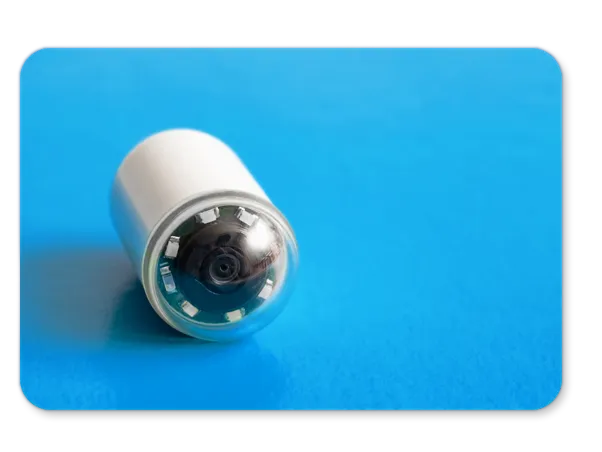
- Capsule endoscopy (a small swallowable capsule with tiny cameras)
These procedures differ in diagnostic value, how they’re performed, and who they’re best for. Depending on your risk profile and medical history, one of these colonoscopy alternatives may be more suitable than a colonoscopy, or serve as a useful intermediate step before a colonoscopy is needed. One currently less common option is virtual colonoscopy, where images of the colon are created using CT or MRI.
Overall, these methods are less invasive and carry a lower risk of injury, but reliability can vary and abnormalities may be missed, especially smaller polyps. CT colonography also involves radiation exposure.

Stool Tests as a Simple Alternative for Home Use
Stool tests are popular because they are simple, painless, and convenient to do at home. They’re widely used for colorectal cancer screening because they can detect hidden blood or other signals linked to colorectal cancer. You collect a sample at home, send it to a lab or follow the instructions in the test kit, and the result helps guide the next steps.
Common stool tests include:
Fecal immunochemical test (FIT)
Often called a FIT test, this screening checks for hidden blood in stool. Because bleeding can be intermittent, FIT is usually repeated at regular intervals often once a year in many programmes, although timing varies by country and local colorectal cancer screening guidelines. FIT is a practical option for average risk adults who want a non-invasive approach.
Fecal occult blood test (FOBT)
You may also see the term fecal occult blood test or occult blood test. Older versions are chemistry based, while many modern programmes prefer FIT because it is more specific for human blood. Both aim to detect hidden blood, which can be a sign of colorectal cancer or other digestive tract issues.
Stool DNA test (e.g. ColoAlert)
A stool DNA test looks for abnormal DNA and DNA mutations shed into stool by cancer cells or precancerous polyps, sometimes combined with additional markers. Compared with standard stool blood tests, tumor DNA stool tests like ColoAlert can provide a more precise option for early detection by identifying molecular changes linked to colorectal cancer earlier. If the result is positive, a follow up colonoscopy is still needed to confirm findings and, if necessary, remove precancerous polyps.

Precise and Convenient Screening via Stool Test
ColoAlert is a tumor DNA stool test designed to make colon cancer screening both convenient and more precise. It combines the detection of hidden blood with tumor DNA markers in a single stool sample, which can support earlier detection compared with conventional stool tests like FIT.

CT Colonoscopy - Virtual Colonoscopy as a Modern Option
Virtual colonoscopy, also called CT colonography, uses a CT scan to create detailed images of the colon. It’s often more comfortable than a standard colonoscopy because an endoscope is not advanced through the entire colon. Instead, the colon is gently inflated with gas to improve imaging. The scan is quick and usually does not require sedation.
Advantages:
- Fast and usually painless, typically without sedation
- Can be an option when a standard colonoscopy is not possible or is incomplete
- Can show the entire colon in many cases
Disadvantages:
- Uses X-rays, so there is radiation exposure
- If something is found, a colonoscopy is still needed for tissue samples or polyp removal
- Can miss small polyps, especially flat or subtle lesions
- Still requires bowel preparation and often diet restrictions beforehand
It’s important to be clear about what CT colonography can and cannot do. It can help detect colorectal cancer or larger growths, but it cannot treat findings in the same appointment. If the scan suggests advanced polyps or possible cancer, the next step is usually a conventional colonoscopy.
MRI based approaches are sometimes discussed, but they are less common for routine colorectal cancer screening than CT colonography, and availability varies.

Capsule Endoscopy: Bowel Examination Without Intervention
Capsule endoscopy is a technology-driven option where a person swallows a small capsule containing a tiny video camera. As it moves through the digestive tract, it captures many images that are later reviewed. The capsule is then passed naturally during a bowel movement.
This method can be considered for:
- People who strongly prefer to avoid an invasive procedure
- Selected investigations when symptoms are unclear and other tests are inconclusive
- Situations where standard colonoscopy is not feasible or was incomplete
However, it has key limits for colon cancer screening: it can’t remove polyps or collect tissue samples, and suspicious findings usually still require a colonoscopy. It can also miss small polyps, and it typically still needs bowel prep for image quality.
Comparison of Colon Cancer Screening Methods
| Method | Advantages | Disadvantages |
|---|---|---|
| FIT | Simple, inexpensive, can be done at home | Lower sensitivity, especially in early stages |
| Stool DNA Test (ColoAlert) | Very precise, early detection | More expensive, not reimbursed nationwide |
| Virtual Colonoscopy | Fast, no sedation, good for high-risk patients | Radiation exposure, no tissue sampling possible |
| Capsule Endoscopy | No sedation, no pain | High cost, no intervention possible |
| Colonoscopy | Gold standard, direct polyp removal possible | Invasive, preparation unpleasant, sedation usually required |

Which Method Is the Best Choice for Me?
Choosing a screening method is easiest when you look at your risk factors, symptoms, and practical barriers like bowel prep and insurance coverage. The goal is to detect colon cancer early with a screening test you will actually complete.
- Increased risk: If you have family history of colorectal cancer, a personal history of colon polyps, prior advanced polyps, or inflammatory bowel disease including ulcerative colitis, clinicians often recommend colonoscopy because it can detect cancer and remove precancerous polyps.
- Average risk: For many average-risk adults, stool-based tests are a practical first step in colorectal cancer screening.
- Symptoms: If you have rectal bleeding, persistent abdominal pain, ongoing changes in bowel habits, unexplained weight loss, or unexplained iron deficiency anaemia, seek medical evaluation rather than relying on screening alone. In symptomatic cases, the goal is diagnosis, not routine cancer screening.
- Bowel preparation: If thorough cleansing, dietary restrictions, or bowel prep are your main barrier, compare requirements by option. Stool tests usually avoid full bowel preparation, while virtual colonoscopy and capsule endoscopy often still need bowel prep to be reliable.
- Access and coverage: Availability and reimbursement vary across Europe. Some colon cancer screening options are offered through national programmes, while others are arranged via a doctor’s office or private providers. If cost matters, ask what your insurance coverage includes and what timing is recommended by local colorectal cancer screening guidelines.
If you are unsure which screening test fits your situation, a quick discussion with your family doctor or a gastroenterology team can help match your risk profile and preferences. If you would like to take an active role yourself , you can find our stool test options here: